
New lawns from seed
Residential Hydroseeding in New York, NY
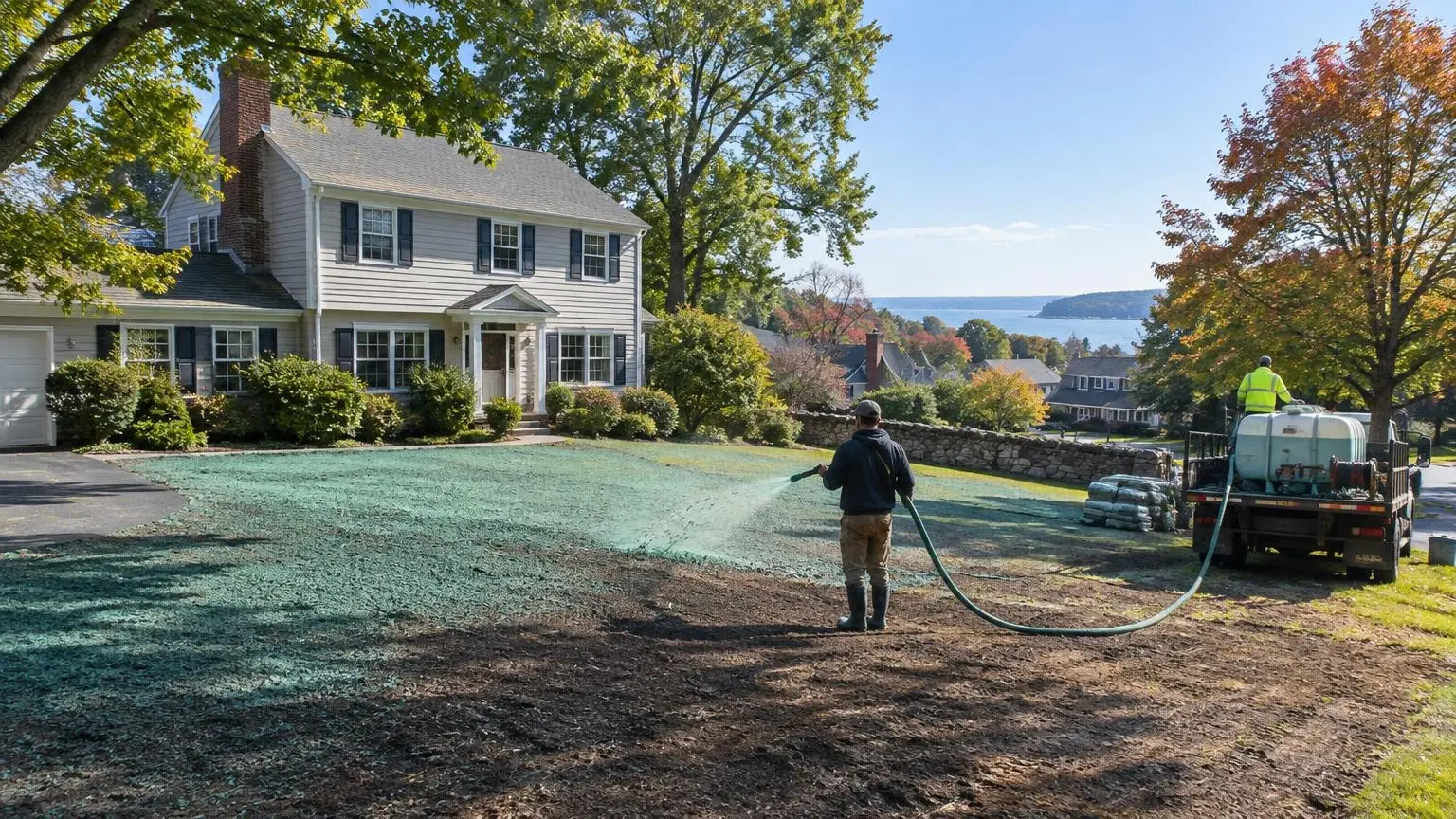
A hydroseed lawn sprayed onto a properly built seedbed, with a mix chosen for your sun and soil.
- No-charge site visit and a written quote before any work
- Quotes split prep, seed mix, mulch and erosion items line by line
- Grass blend picked for the light and soil on your lot
A New Lawn Without Rolling Out Sod
Residential hydroseeding is the bulk of what we do in the New York suburbs: a homeowner has a yard of bare dirt after an addition, a pool, a septic replacement or a full regrade, or a lawn so thin and weedy that patching it no longer makes sense. We rebuild the seedbed, spray a slurry of seed, fiber mulch, starter fertilizer and tackifier over it, and hand you a watering plan. It is a full lawn installation from seed, done in a day on most lots.
Who it suits
Hydroseed makes the most sense when the area is larger than a few patches and you can water for several weeks. A 5,000 square foot backyard in Levittown or a sloped front lawn in Yonkers are typical. It is less useful for a tiny strip you need finished by Saturday; that is a sod job. If you want a lawn for less money than sod and are willing to wait a few weeks for it to fill in, a hydroseed lawn is the usual answer.
The seedbed matters more than the spray
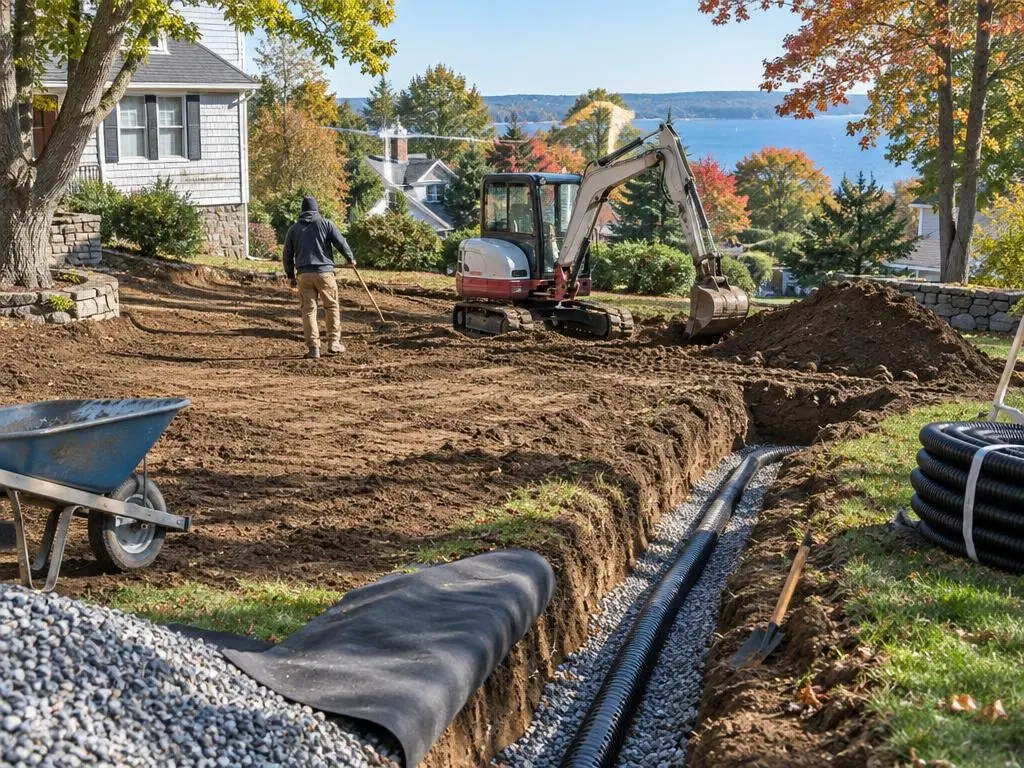
Most failed lawns we see failed underground. Builders often leave compacted subsoil with a skim of topsoil over it, and Long Island outwash soils such as the Haven series are naturally very acidic. Penn State Extension recommends a soil test before seeding so lime, fertilizer and organic matter can be worked in, a final grade that falls 1 to 4 percent away from the house, and removal of stones larger than two inches before fine grading. We loosen compacted ground, bring in topsoil where it is thin, set the grade and firm the surface so the seed lands on soil it can root into.
Picking the seed
Around here we seed cool-season grasses. Penn State lists turf-type tall fescue at 6 to 8 pounds per 1,000 square feet for sunny, well-drained ground, Kentucky bluegrass blends at 2 to 3 pounds, and fine fescues for shade. A Garden City yard in full sun and a Scarsdale lot under old oaks should not get the same bag. We look at the light, the soil and how the yard is used before choosing.
Timing in this climate
Late August through September is when we most want to seed. The soil is still warm, weed pressure drops, and the young grass gets fall and the next spring to root before July heat. Mid to late spring works too. Summer seedings fight heat and disease, and once soils cool in late fall germination stalls. If you need the work done outside those windows, we will tell you what it means for the lawn.
Hydroseeding cost and what drives it
Depending on which national guide you read, residential hydroseeding lands anywhere from $0.07 up to $0.35 a square foot, and HomeGuide notes that most hydroseeding companies set a minimum job fee of $300 to $500 or more. What moves a quote up or down here is mostly the prep: how much topsoil is needed, whether old turf has to be stripped, how steep the yard is and how far the truck sits from the work. The table below shows the published ranges; we quote your lot once we have measured it.
Sod vs hydroseed on a suburban lot
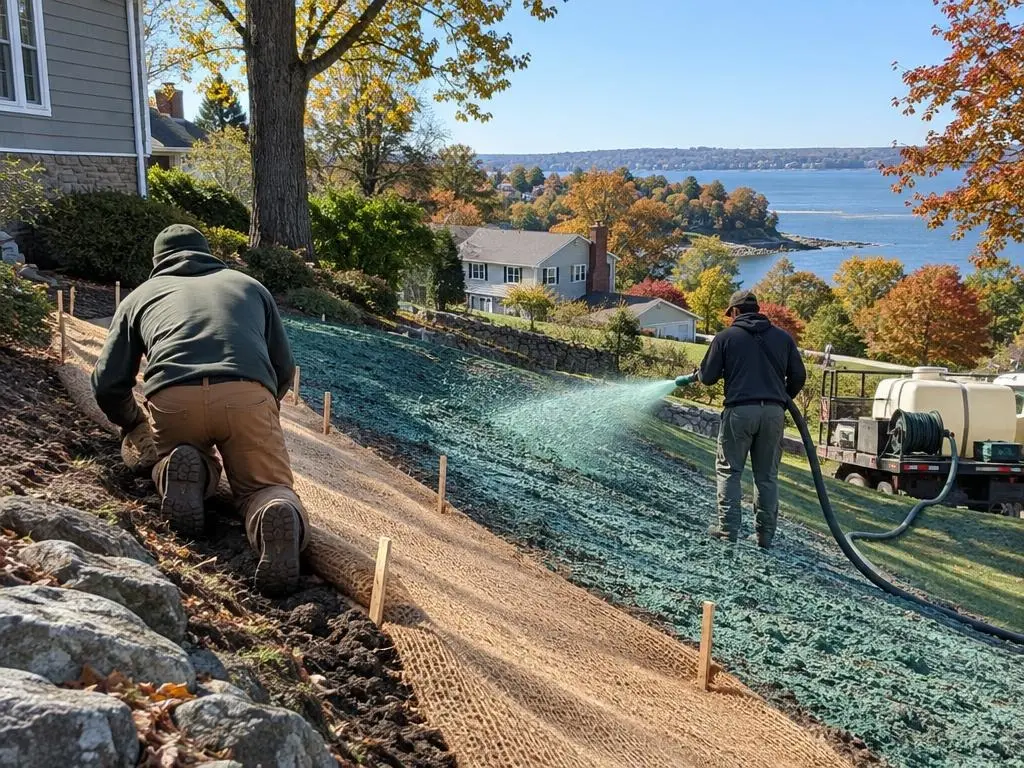
Sod gives you a finished surface the day it goes down, and Penn State Extension notes it can be laid almost any time the ground is not frozen. The trade-offs are cost, often several times the price of seed, and a limited choice of grasses: Penn State notes Kentucky bluegrass is the most common cool-season sod grass in its state, and bluegrass is a sun lover. A hydroseed lawn costs less, can be mixed for shade or heavy wear, and roots directly into your soil rather than into a thin layer grown somewhere else. Dry seeding with straw is cheaper again, but on open, windy or sloped yards straw blows and seed washes into the low spots. Most homeowners who choose hydroseed want a real lawn at a sensible price and can wait a few weeks for it.
Where yards here go wrong
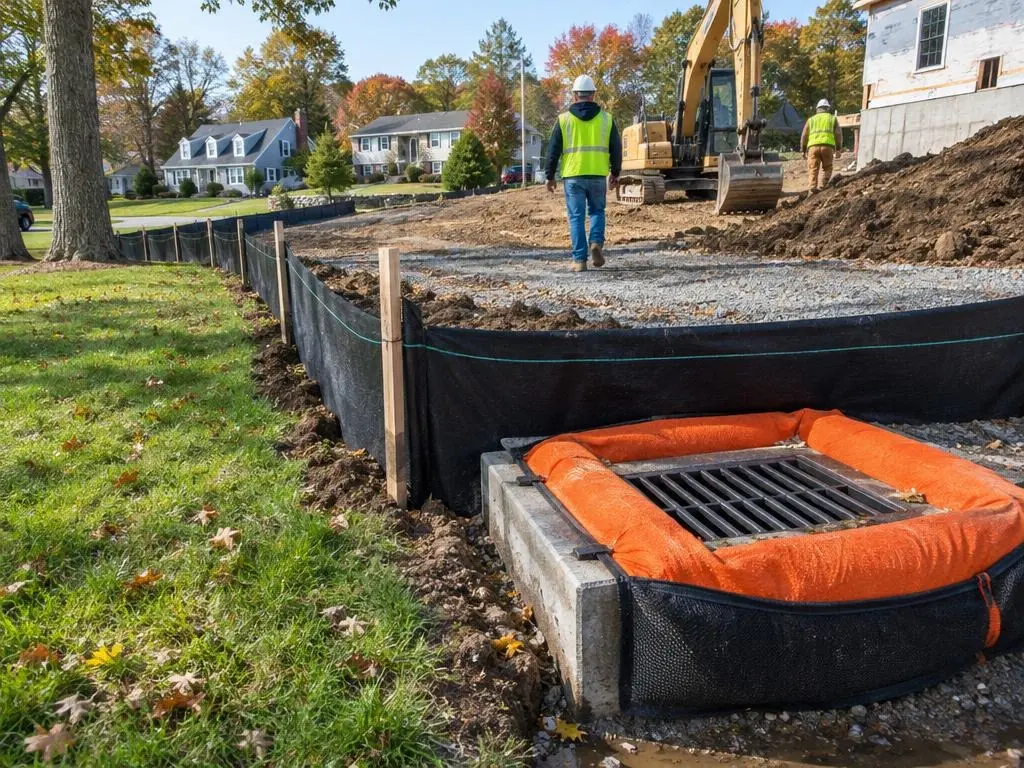
The usual failure points we see around New York are the same few: seed sprayed over builder fill with no topsoil, a grade that sends roof water across the new lawn, an irrigation zone that misses a corner, and a seeding date in July because the house closed in June. We plan around each one. If the date cannot move, we talk through what a summer seeding needs, such as more frequent watering and a mix that tolerates heat, and what it is likely to look like by fall.
After the spray
Keep the surface damp for the first few weeks with light, frequent watering. Grass usually shows in one to two weeks, and the first mow comes when it is about a third taller than your target height. We leave written care instructions for your yard.
Included in a Lawn Job
What usually goes into a residential seeding, depending on the yard.
Soil test and pH correction
We check pH and nutrients and add lime or fertilizer where the results call for it.
Old turf and weed removal
Dead or weedy lawn stripped or treated so new seed is not competing from day one.
Topsoil and fine grading
Thin spots filled, grade set away from the house, stones raked out and the surface firmed.
Seed mix selection
Tall fescue, bluegrass, ryegrass or fine fescue blends matched to sun, shade and use.
Hydroseed application
One sprayed coat of seed, fiber mulch, starter fertilizer and tackifier, green enough that a missed patch stands out.
Watering and mowing plan
Written instructions for the first six weeks, adjusted for the season we seed in.
Published Hydroseeding Cost Ranges
| Lawn size or item | Range and source |
|---|---|
| Residential hydroseed per square foot, HomeGuide range | $0.12 to $0.35 |
| Angi's range for most pros, per sq ft | $0.07 to $0.26 |
| Typical 5,000 sq ft backyard, HomeGuide figure | $1,000 to $1,750 |
| Quarter-acre lot (HomeGuide) | $1,900 to $2,800 |
| Minimum job fee (LawnStarter) | $300 to $500 |
| Installed sod for comparison (HomeGuide) | $1 to $4 per sq ft |
Published national figures, not prices from New York jobs. Topsoil, grading, slope and access move the total; what we charge is the amount written on the quote you sign.
From Bare Dirt to First Mow
1. Walk the yard
We measure, check drainage and shade, and pull soil for testing.
2. Rebuild the seedbed
Loosen compaction, add topsoil and amendments, set the grade and firm it.
3. Spray
The slurry goes on in overlapping passes until the whole area is evenly green.
4. Water and wait
You keep it damp; we check in as the grass comes up and answer questions.
5. First cut
Mow when the grass is about a third over your target height, with a light mower.
Why Choose Us for Residential Hydroseeding
Prep is in the quote
Topsoil, grading and amendments are listed, not discovered halfway through.
Mix chosen per yard
Shade, sun and traffic decide the seed, not whatever is on the truck.
Seasonal honesty
We tell you when a date is risky and what you can do about it.
Residential Hydroseeding Questions
How much does a hydroseed lawn cost on Long Island or in Westchester?
National guides run from $0.07 up to $0.35 a square foot. HomeGuide's figure for a lawn of about 5,000 square feet is $1,000 to $1,750. Prep is the big variable: topsoil, stripping old turf and slopes all add to it. We give you a line-item number after measuring.
Can you hydroseed over my existing lawn?
If the lawn is mostly dead or weeds, we strip or treat it and rebuild the surface first, because seed needs contact with soil. If it is thin but healthy, overseeding is usually the better and cheaper choice.
How long until the new lawn looks finished?
Grass typically shows in one to two weeks, and first mowing comes around four to six weeks. A late-summer seeding usually looks like a real lawn by the next spring.
Do I need an irrigation system?
No, but you need a way to water every part of the lawn daily for the first few weeks. Hoses and sprinklers work. If part of the yard cannot be reached by water, tell us so we can plan around it.
What happens if it rains hard right after you spray?
Light rain helps. A heavy storm on a slope can move seed, which is why we use tackifier, add heavier mulch on grades and watch forecasts before booking. If areas wash, we look at them with you and talk about touch-up.
Residential Hydroseeding Service Areas
- Hydroseeding in New York, NY
- Hydroseeding in Staten Island, NY
- Hydroseeding in Hempstead, NY
- Hydroseeding in Levittown, NY
- Hydroseeding in Garden City, NY
- Hydroseeding in Oyster Bay, NY
- Hydroseeding in North Hempstead, NY
- Hydroseeding in Port Washington, NY
- Hydroseeding in Huntington, NY
- Hydroseeding in Smithtown, NY
- Hydroseeding in Islip, NY
- Hydroseeding in Babylon, NY
- Hydroseeding in Yonkers, NY
- Hydroseeding in White Plains, NY
- Hydroseeding in New Rochelle, NY
- Hydroseeding in Scarsdale, NY
- Hydroseeding in Greenburgh, NY
- Hydroseeding in Mount Pleasant, NY
- Hydroseeding in Harrison, NY
- Hydroseeding in Yorktown, NY
- Hydroseeding in Clarkstown, NY
- Hydroseeding in Ramapo, NY
- Hydroseeding in Orangetown, NY
Get a Residential Hydroseeding Estimate
Send us the size of the yard and a few photos.